
Why Baby Teeth Matter More Than You Think
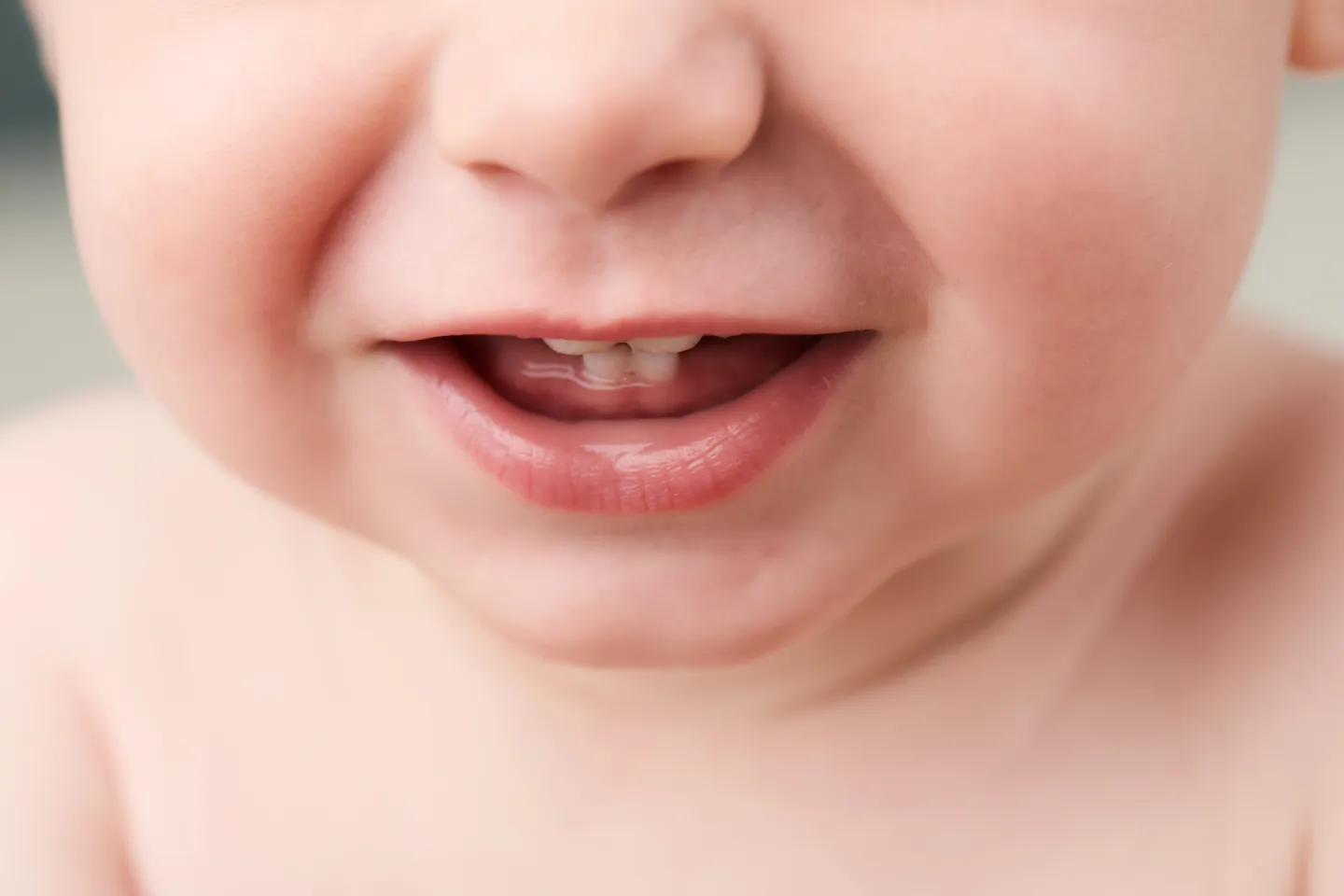
When parents hear that baby teeth eventually fall out, it is easy to assume they are not all that important. However, those tiny teeth play a much bigger role in your child’s growth and development than many people realize. At Pioneer Valley Pediatric Dentistry, we often speak with parents who are surprised to learn just how much healthy baby teeth contribute to a child’s ability to eat, speak, smile, and develop permanent teeth properly.
While baby teeth are temporary, the impact they have on your child’s future oral health can last for years. That is why caring for them from the very beginning is such an important part of building a healthy foundation.
What Are Baby Teeth and Why Are They Important?
Baby teeth, also known as primary teeth, usually begin appearing around six months of age. Most children have a complete set of twenty primary teeth by the time they are about three years old.
These teeth do much more than help create adorable smiles. They play several important roles, including:
- Helping children chew food properly.
- Supporting clear speech development.
- Holding space for future permanent teeth.
- Assisting with proper jaw growth and facial development.
- Contributing to a child’s confidence and social interactions.
Although they eventually fall out, baby teeth help guide permanent teeth into their proper positions. Losing them too early can sometimes create challenges later on.
How Healthy Baby Teeth Support Permanent Teeth
One of the most important jobs of primary teeth is acting as placeholders for adult teeth. Each baby tooth reserves space in the jaw for the permanent tooth developing underneath.
When a baby tooth is lost too soon because of decay or injury, nearby teeth may begin shifting into the empty space. This movement can make it harder for permanent teeth to erupt correctly.
Protecting baby teeth helps support:
- Proper spacing between teeth.
- Healthy alignment of future adult teeth.
- Reduced risk of crowding.
- Better overall oral development.
Preventive dental care during childhood often helps minimize orthodontic concerns later on.
What Happens When Cavities Affect Baby Teeth?
Some parents wonder whether treating cavities in baby teeth is necessary if those teeth will eventually fall out. The answer is usually yes.
Untreated decay can lead to:
- Tooth pain and discomfort.
- Difficulty eating.
- Problems sleeping.
- Infection that may spread to surrounding areas.
- Premature tooth loss.
- Damage to developing permanent teeth.
Children may not always tell parents when something hurts. Regular dental visits help identify small issues before they become larger concerns.
Signs Your Child May Have a Dental Problem
Because children are still learning how to describe discomfort, parents may notice certain warning signs first.
These may include:
- Sensitivity to hot or cold foods.
- Complaints about tooth pain.
- Difficulty chewing.
- Visible dark spots on teeth.
- Swollen or irritated gums.
- Avoiding certain foods.
If you notice any of these symptoms, it is a good idea to schedule an evaluation with a pediatric dentist.
Building Healthy Habits Early
One of the best ways to protect baby teeth is by establishing healthy habits from an early age.
Good oral care routines include:
- Brushing twice daily with a fluoride toothpaste.
- Helping younger children brush thoroughly.
- Flossing once teeth begin touching.
- Limiting sugary snacks and drinks.
- Encouraging water throughout the day.
- Scheduling regular dental checkups.
Children who develop positive oral hygiene habits early are often more likely to maintain those habits as they grow.
How Regular Dental Visits Help
Routine pediatric dental visits are about much more than simply checking for cavities. These appointments allow us to monitor your child’s oral development and provide preventive care tailored to their needs.
Regular visits may include:
- Professional cleanings.
- Fluoride treatments.
- Growth and development evaluations.
- Guidance on brushing and flossing.
- Nutritional recommendations.
- Early identification of potential concerns.
Our goal is always to help families prevent problems before they start.
Creating Positive Dental Experiences
At Pioneer Valley Pediatric Dentistry, we understand that early experiences can shape how children feel about dental care for years to come.
That is why we focus on:
- Gentle communication.
- Child-friendly explanations.
- A welcoming environment.
- Building trust at every visit.
- Encouraging healthy habits through positive reinforcement.
We want every child to feel comfortable and confident during their dental appointments.
Contact Pioneer Valley Pediatric Dentistry
Baby teeth may be temporary, but the role they play in your child’s development is incredibly important. Protecting those early smiles can support healthier permanent teeth and better oral health in the future. If you have questions about your child’s dental development or would like to schedule a visit, contact Pioneer Valley Pediatric Dentistry today. We are here to help every step of the way.
Frequently Asked Questions
Q: Why are baby teeth important if they eventually fall out?
A: Baby teeth help children eat, speak, and smile confidently while also guiding permanent teeth into their correct positions.
Q: Can cavities in baby teeth affect adult teeth?
A: Yes. Untreated decay can sometimes impact the health and development of the permanent teeth growing underneath.
Q: When should my child first visit the dentist?
A: Most pediatric dental professionals recommend a first dental visit by the child’s first birthday or within six months of the first tooth appearing.
Q: What should I do if my child loses a baby tooth too early?
A: Schedule an evaluation with your pediatric dentist. Early tooth loss may affect spacing and development, and treatment options may be recommended if needed.

Making Dental Care Simple & Affordable
We accept a wide range of insurance plans and are happy to help you understand your benefits, so your child can receive the care they need without added stress.















Tips for Healthy, Happy Little Smiles
Explore helpful insights, expert advice, and easy tips to keep your child’s smile bright at every stage.








© 2026 Pioneer Valley Pediatric Dentistry | All rights reserved | Privacy Policy | Digital Marketing by Remedo